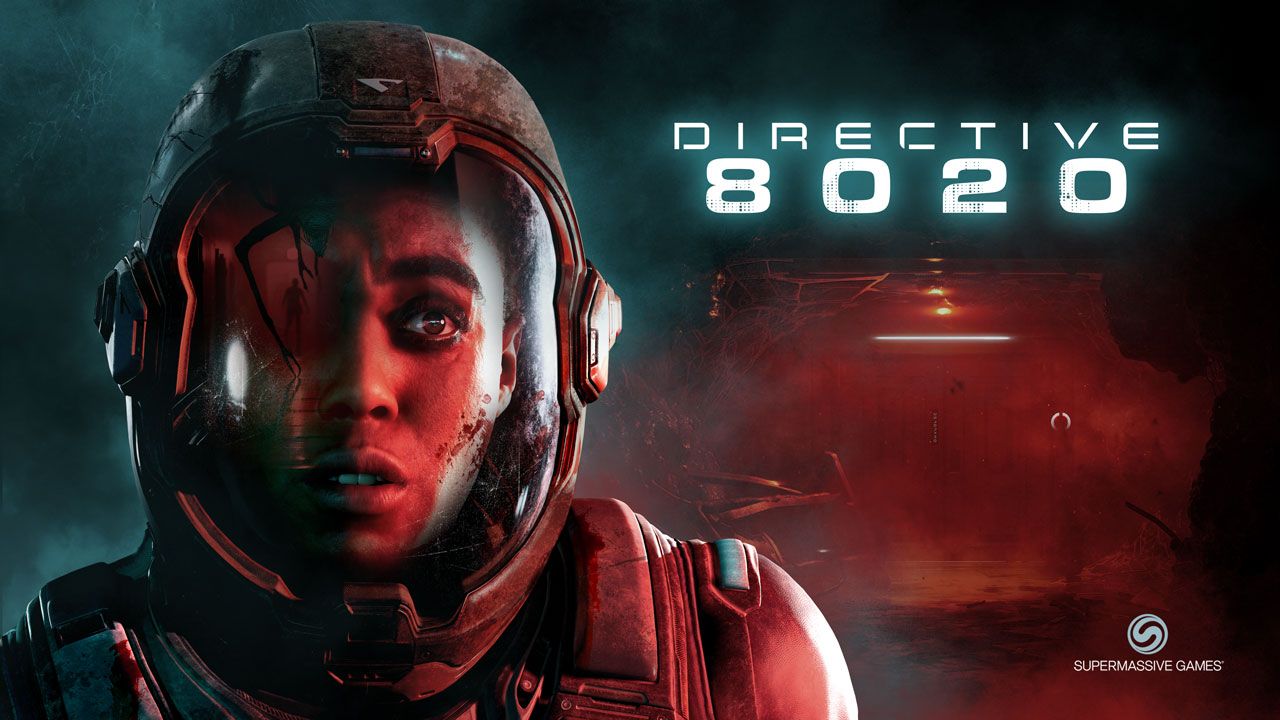
Directive 8020 had all the ingredients for an incredible sci-fi horror experience. The game mixes ideas from Alien and The Thing into a cinematic narrative adventure filled with paranoia and difficult choices.
On paper, it sounds like a perfect fit for Supermassive Games. The story follows the crew of the Cassiopeia as they travel toward a possible new home for humanity.
After a meteor strike hits the ship, an alien lifeform capable of imitating humans begins spreading throughout the crew. From that point on, trust becomes the biggest threat onboard.
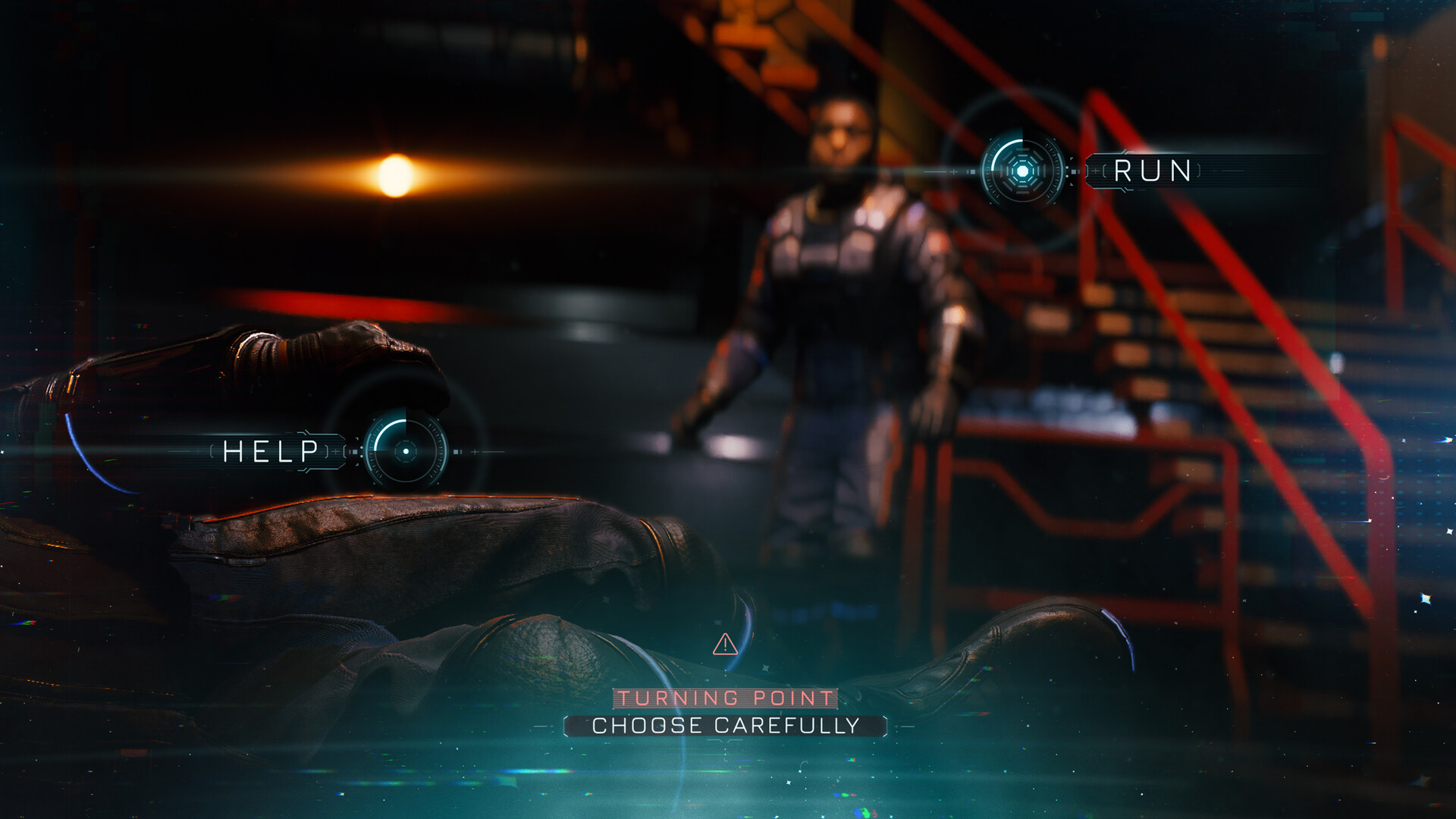
The strongest moments come when the game leans into that paranoia. Some scenes force you to decide whether someone is still human or secretly infected.
Those moments create real tension and deliver the kind of psychological horror the game promised. Like previous Supermassive titles, choices constantly shape the story.
Characters can survive, die, or change depending on your actions and conversations. There is also a new destiny system that unlocks different character traits and story paths.
Unfortunately, the characters themselves never become particularly memorable. Even with talented actors like Lashana Lynch involved, much of the cast feels emotionally distant.
You understand who they are, but it is difficult to truly care about them.
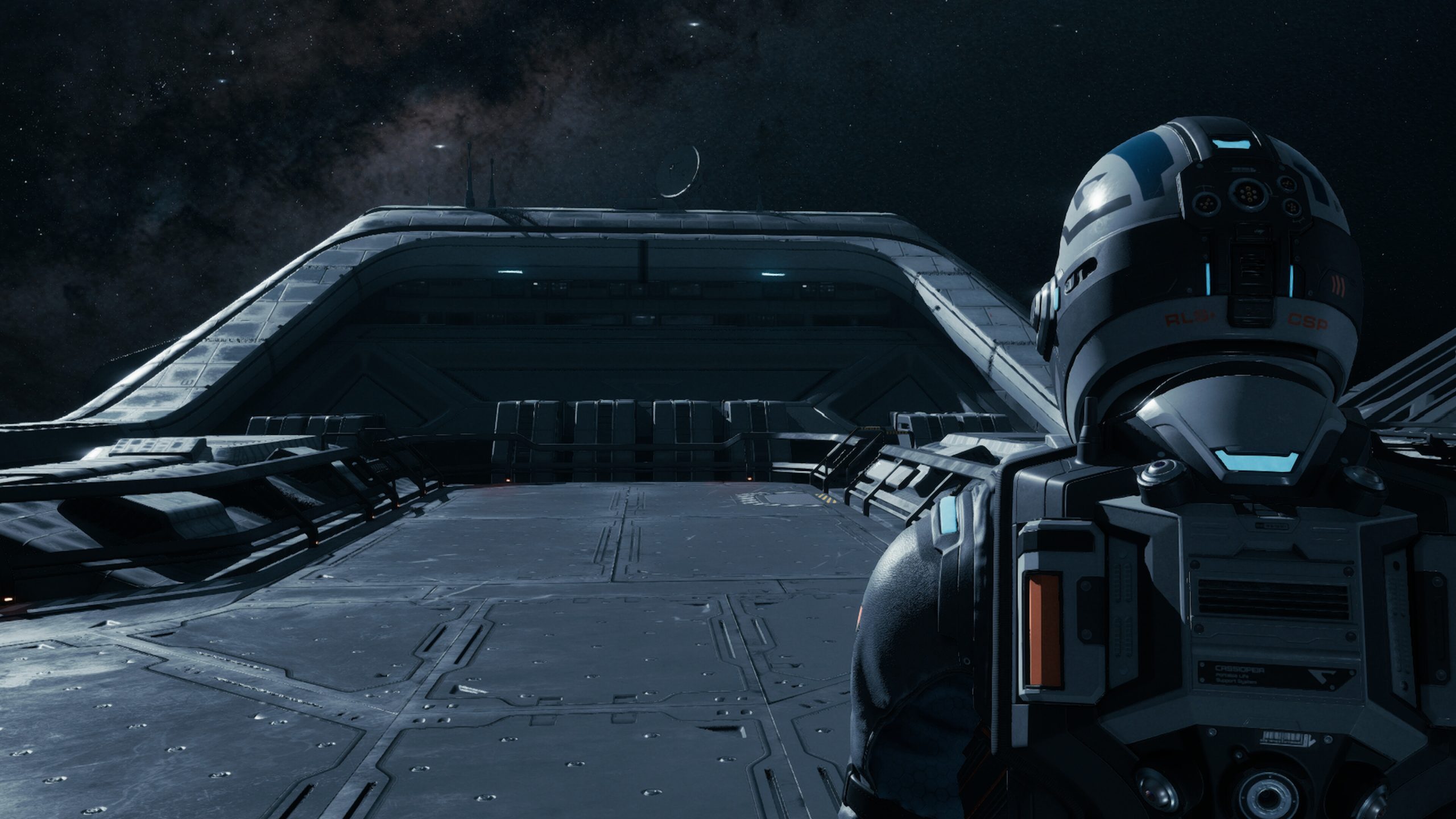
The Cassiopeia is another major disappointment. Great sci-fi horror games usually have iconic settings that feel alive and oppressive. Here, the ship mostly feels empty, repetitive, and visually bland.
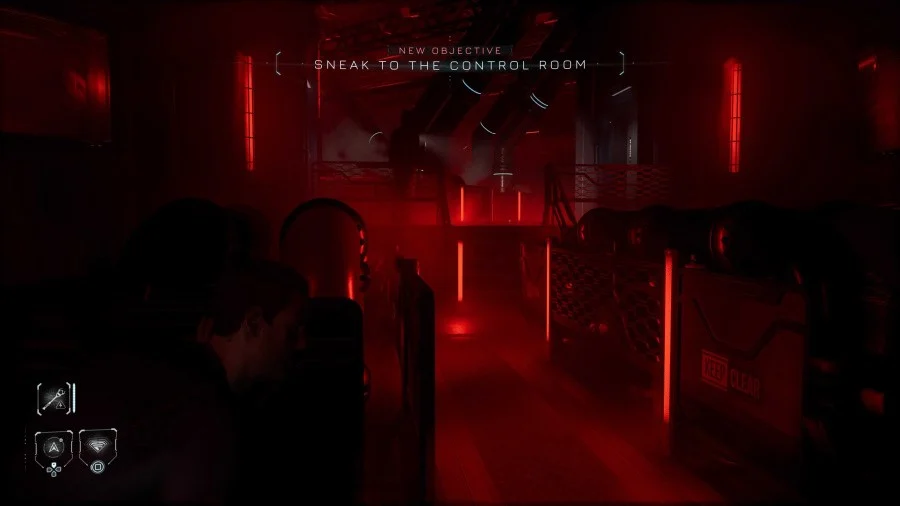
You spend most of the game walking through similar hallways and generic rooms. While things improve visually later when the horror escalates, the early sections lack atmosphere.
That weakens the sense of immersion throughout much of the experience. Gameplay also feels a little too safe.
Exploration is basic, stealth sections become repetitive quickly, and the quick-time events feel familiar. Fans of Supermassive’s older games will recognize almost everything here.
One of the newest additions is the rewind system. This feature lets players go back and change major choices after seeing the consequences.
While some players may appreciate the flexibility, it also removes some of the tension that makes choice-driven horror games exciting.
Replay value is still one of the game’s biggest strengths. Different endings, branching narratives, and alternate character outcomes encourage multiple playthroughs.
There is plenty of content for players who enjoy experimenting with decisions. Technically, the game performs well on both PS5 and PS5 Pro.
Performance modes remain stable, and the Dual Sense features add extra immersion during tense moments. Directive 8020 constantly shows flashes of greatness.
The paranoia, body horror, and high-stakes choices occasionally create something genuinely exciting. Sadly, the game never fully reaches the level its concept deserved.
Final Verdict
Directive 8020 is an enjoyable horror experience with some strong ideas and tense moments. However, weak characters, repetitive environments, and shallow gameplay stop it from becoming something truly memorable.